
From Temporary Accommodation to Permanent Community Infrastructure
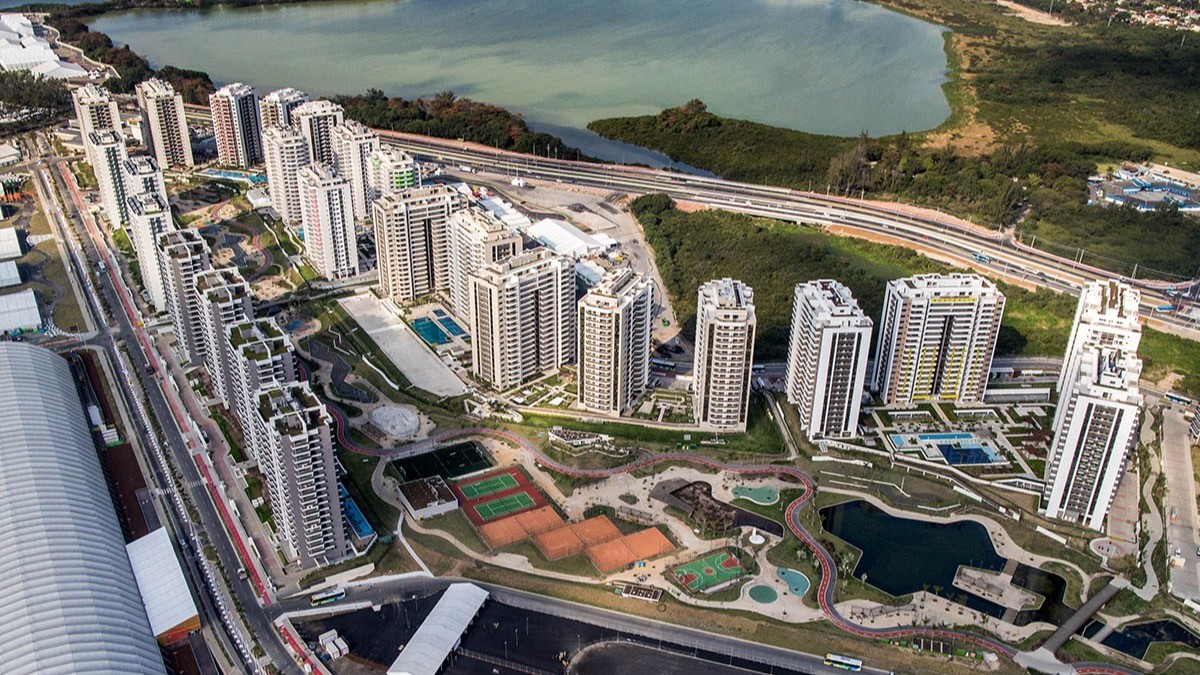
The architectural evolution of Olympic Villages represents one of the most significant advances in inclusive urban design over the past three decades. My research examining these developments reveals how the pressure to accommodate diverse athletes’ needs during the Games has driven innovation in universal design principles that benefit entire communities long after the Olympic flame is extinguished.
The architectural challenges of Olympic Village design are unique in urban development. These spaces must simultaneously serve as high-performance athlete accommodation during the Games whilst being designed for seamless conversion to residential or mixed-use developments post-Games. This dual requirement has pushed architects and planners to develop innovative approaches to flexible, inclusive design that can adapt to changing needs over time.
Universal Design Implementation in Olympic Architecture
The implementation of universal design principles in Olympic Village architecture has evolved from basic accessibility compliance to sophisticated inclusive design strategies. Universal design recognises that environments designed for users with the widest range of abilities and disabilities are inherently more usable for everyone, creating spaces that are naturally inclusive rather than requiring special adaptations.
Research across multiple Olympic Villages demonstrates that developments incorporating universal design principles from the outset consistently outperform retrofitted alternatives in both functionality and user satisfaction. Features such as wide corridors, adjustable-height surfaces, and intuitive wayfinding systems serve athletes with disabilities during the Games whilst creating more comfortable and navigable spaces for all residents post-Games.
The implementation of universal design in Olympic Village architecture extends beyond physical accessibility to include cognitive accessibility, ensuring that spaces are intuitive and easy to navigate for users with diverse cognitive abilities. This comprehensive approach to inclusive design creates environments that truly serve all users effectively.

Adaptive Architecture and Flexible Space Design 🔧
The challenge of designing spaces that can effectively serve both Olympic athletes and future residents has driven innovation in adaptive architecture and flexible space design. Olympic Village architects must create spaces that can be easily reconfigured for different uses whilst maintaining high standards of accessibility and livability.
Adaptive architecture solutions in Olympic Villages often incorporate modular design principles, allowing spaces to be reconfigured for different uses without major structural modifications. This approach enables efficient conversion from athlete accommodation to residential units, community spaces, or commercial facilities based on post-Games needs.
The integration of flexible infrastructure systems in Olympic Village design ensures that essential services can be easily adapted for different uses. Electrical, plumbing, and telecommunications systems designed with flexibility in mind reduce conversion costs and timeline whilst maintaining high standards of service delivery.
Community-Centred Design Approaches 🤝
Successful Olympic Village architecture recognises that physical design plays a crucial role in fostering social interaction and community building. The arrangement of buildings, design of public spaces, and integration of community facilities all contribute to creating environments that support social cohesion and cultural exchange.
Research indicates that Olympic Villages designed with community interaction as a priority demonstrate significantly higher levels of social capital and resident satisfaction post-Games. Architectural features such as shared courtyards, community gardens, and flexible meeting spaces create opportunities for spontaneous social interaction and organised community activities.
The architectural integration of cultural and recreational facilities within Olympic Village developments enhances their value as community assets. These spaces serve athletes during the Games whilst providing long-term community benefits that support ongoing social interaction and cultural activities.
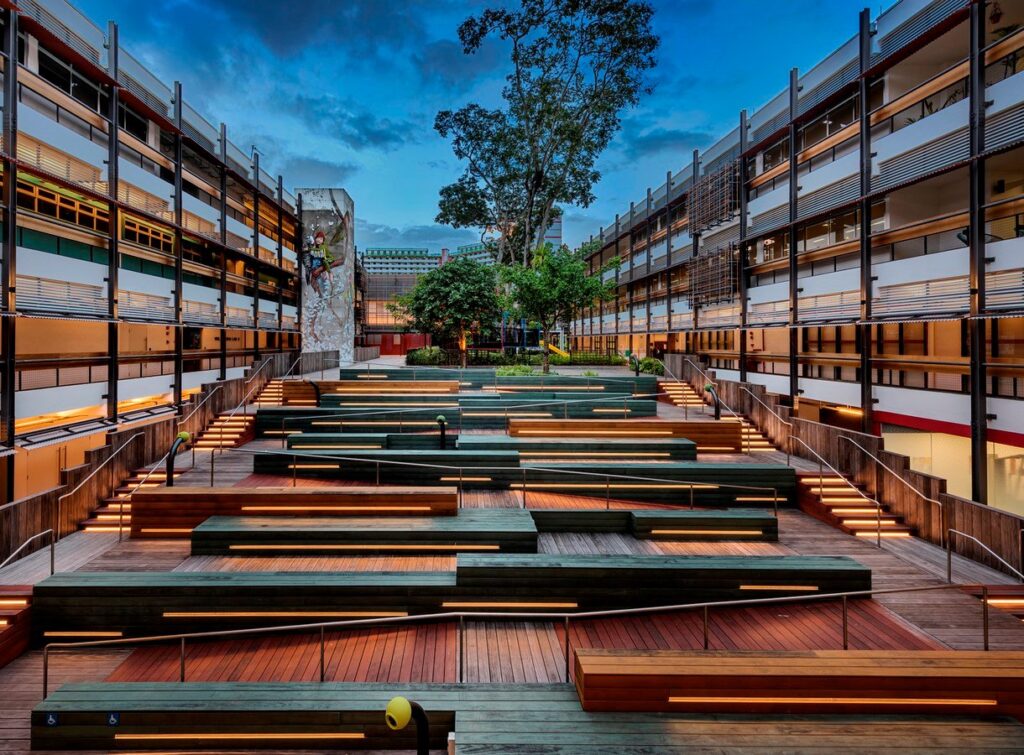
Sustainable Building Technologies and Environmental Performance 🌱
Contemporary Olympic Village architecture increasingly emphasises environmental sustainability and resource efficiency. The integration of green building technologies, renewable energy systems, and sustainable materials reflects growing commitment to environmental stewardship in Olympic development.
The implementation of sustainable building technologies in Olympic Villages often serves as a testing ground for innovative approaches to green architecture. High-performance building envelopes, advanced HVAC systems, and integrated renewable energy systems pioneered in Olympic Villages frequently influence broader architectural practice.
The emphasis on environmental performance in Olympic Village architecture extends beyond energy efficiency to include considerations of material sustainability, water conservation, and waste reduction. These comprehensive approaches to sustainable architecture create developments that minimise environmental impact whilst providing high-quality living environments.
Post-Games Conversion and Legacy Planning 🏠
The success of Olympic Village architecture is ultimately measured by its effectiveness in serving post-Games communities. Architectural designs that facilitate easy conversion to residential or mixed-use developments whilst maintaining high standards of accessibility and livability represent the most successful approaches to Olympic Village development.
Legacy planning considerations must be integrated into architectural design from the earliest stages of development. This integration ensures that post-Games conversion can be accomplished efficiently whilst maintaining the accessibility and inclusivity features that make Olympic Villages valuable community assets.
The architectural legacy of Olympic Villages extends beyond their immediate physical impact to influence broader architectural practice. Design innovations pioneered in Olympic Village developments often become standard practice in residential and mixed-use development, amplifying their impact on urban accessibility and inclusivity.
Technology Integration and Smart Building Systems 💻
The integration of advanced building technologies in Olympic Village architecture represents an emerging frontier in inclusive design. Smart building systems, advanced accessibility technologies, and integrated communication systems can enhance the functionality and accessibility of Olympic Village developments.
Technology integration in Olympic Village architecture must balance innovation with reliability, ensuring that advanced systems enhance rather than complicate the user experience. This balance is particularly important in post-Games conversion, where complex systems must be maintainable and operable by typical residential or commercial property managers.
The demonstration effect of technology integration in Olympic Villages can influence broader adoption of accessibility-enhancing technologies in urban development. Successful implementations in high-profile Olympic developments often accelerate the adoption of similar technologies in conventional development projects.
Global Architectural Perspectives and Cultural Integration 🌍
Olympic Village architecture reflects and responds to local cultural contexts whilst incorporating international best practices in inclusive design. This balance between local cultural expression and universal accessibility principles creates architecturally distinctive developments that serve diverse populations effectively.
The cultural integration of Olympic Village architecture extends beyond aesthetic considerations to include functional responses to local climate, lifestyle patterns, and social customs. These locally responsive design approaches enhance the long-term success of Olympic Villages as community assets.
The global exchange of architectural ideas and practices facilitated by Olympic Village development contributes to the advancement of inclusive design worldwide. Successful architectural solutions developed for Olympic Villages often influence international architectural practice and policy development.
Future Architectural Innovations and Emerging Trends 🔮
The future of Olympic Village architecture lies in continuing to refine approaches to inclusive design whilst embracing emerging technologies and changing social needs. Advances in materials science, building technologies, and understanding of accessibility needs will influence future Olympic Village architectural development.
The integration of climate adaptation strategies in Olympic Village architecture represents an emerging priority, with growing emphasis on resilient design and adaptive infrastructure. These considerations will shape future architectural approaches, ensuring that Olympic Villages can adapt to changing environmental conditions whilst continuing to serve their communities effectively.

Conclusion
The architectural evolution of Olympic Villages demonstrates the potential for major sporting events to drive innovation in inclusive design and community-centred architecture. By prioritising universal design principles, adaptive architecture, and community integration, Olympic Village developments can create lasting architectural legacies that benefit host communities for generations to come.
- How can architects better integrate universal design principles into Olympic Village developments from the earliest design stages?
- What role should community input play in the architectural design of Olympic Villages to ensure they meet long-term local needs?
- How might emerging building technologies enhance the accessibility and sustainability of future Olympic Village architecture?
- What strategies can ensure that architectural innovation in Olympic Villages influences broader housing and urban development practices?
- How can Olympic Village architecture better respond to local cultural contexts whilst maintaining international accessibility standards?
To read other publications, gohere.


Lascia un commento