
Pioneering Sustainable Urban Development Through Olympic Legacy
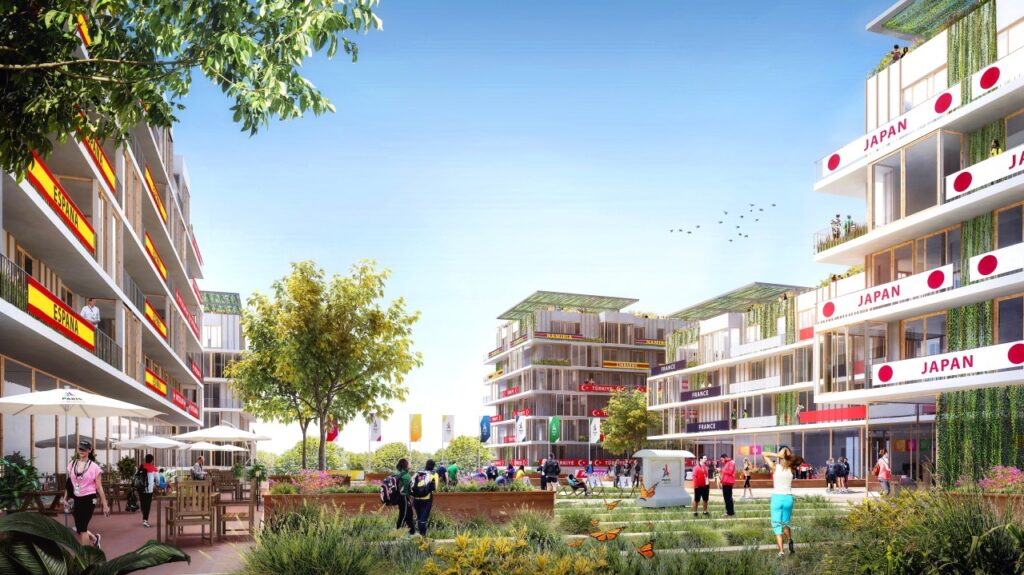
The environmental dimension of Olympic Village development has emerged as one of the most significant drivers of innovation in sustainable urban development. My research examining the environmental performance and sustainability initiatives of Olympic Villages reveals how these developments can serve as laboratories for green innovation, creating lasting environmental benefits that extend far beyond the Games period.
The environmental impact of Olympic Village development represents both a challenge and an opportunity for sustainable urban development. These large-scale developments require substantial resources and can have significant environmental impacts, but they also provide unique opportunities to demonstrate and implement innovative approaches to sustainable design and construction.
Green Building Technologies and Performance Standards 🏗️
The implementation of green building technologies in Olympic Village development has advanced significantly over successive Games, with each new Village pushing the boundaries of environmental performance and sustainability. The integration of high-performance building envelopes, renewable energy systems, and sustainable materials has become standard practice in contemporary Olympic Village development.
Research demonstrates that Olympic Villages designed to high environmental performance standards consistently outperform conventional developments in energy efficiency, water conservation, and waste reduction. These performance improvements create ongoing environmental benefits that persist long after the Games, contributing to broader urban sustainability goals.
The green building certification systems employed in Olympic Village development, such as LEED, BREEAM, and local standards, provide frameworks for ensuring comprehensive environmental performance. These certification systems drive innovation in sustainable design whilst providing measurable standards for environmental achievement.
Renewable Energy Systems and Energy Efficiency ⚡
The integration of renewable energy systems in Olympic Village development has become increasingly sophisticated, with developments incorporating solar panels, geothermal systems, and other renewable technologies. These systems not only reduce the environmental impact of Olympic Villages but also demonstrate the feasibility and benefits of renewable energy in urban development.
The energy efficiency measures implemented in Olympic Village development often exceed standard building requirements, incorporating advanced insulation, high-performance windows, and efficient heating and cooling systems. These measures create comfortable living environments whilst minimising energy consumption and environmental impact.
The demonstration effect of renewable energy and energy efficiency in Olympic Villages can influence broader adoption of these technologies in urban development. Successful implementations in high-profile Olympic developments often accelerate the adoption of similar technologies in conventional development projects.
Water Conservation and Management Systems 💧
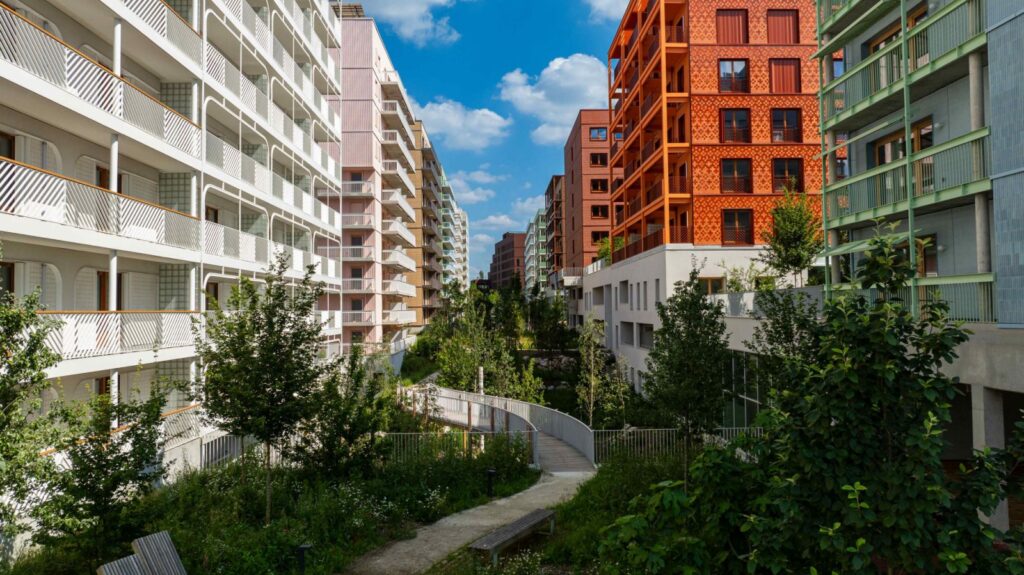
Water conservation and management systems in Olympic Village development have evolved to include sophisticated approaches to rainwater harvesting, greywater recycling, and sustainable stormwater management. These systems reduce the environmental impact of Olympic Villages whilst demonstrating innovative approaches to urban water management.
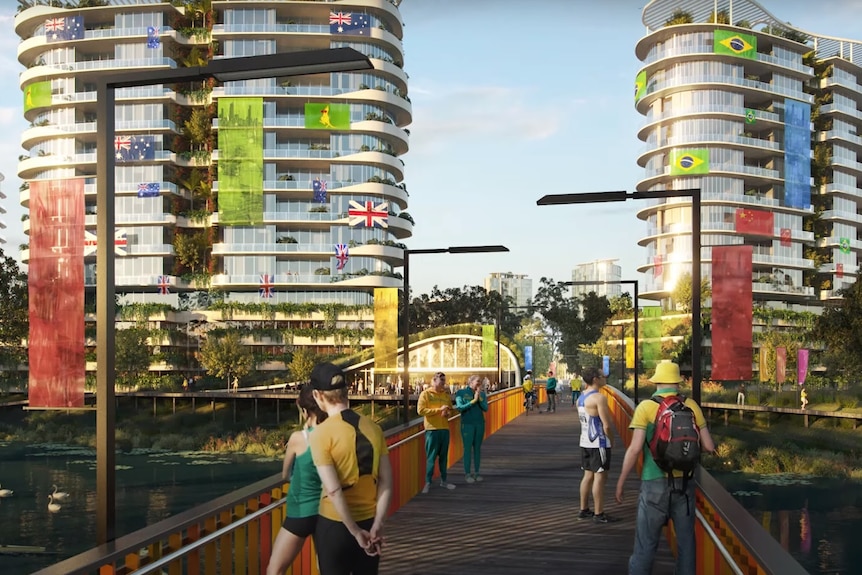
The integration of green infrastructure for stormwater management in Olympic Village development provides both environmental benefits and community amenities. Rain gardens, bioswales, and constructed wetlands can reduce stormwater runoff whilst creating attractive public spaces that enhance community livability.
The water conservation measures implemented in Olympic Village development often achieve significant reductions in water consumption compared to conventional developments. These measures include low-flow fixtures, efficient irrigation systems, and water-efficient landscaping that reduce ongoing water demand.
Waste Reduction and Circular Economy Principles ♻️
The implementation of waste reduction and circular economy principles in Olympic Village development has become increasingly important, with developments incorporating strategies for construction waste reduction, ongoing waste management, and resource recovery. These approaches demonstrate how large-scale urban development can minimise environmental impact whilst creating economic value.
The construction waste management strategies employed in Olympic Village development often achieve high rates of waste diversion from landfills through recycling, reuse, and recovery programmes. These strategies can serve as models for sustainable construction practice in other development projects.
The integration of circular economy principles in Olympic Village design includes strategies for material reuse, modular construction, and design for disassembly. These approaches can reduce the environmental impact of Olympic Villages whilst creating more flexible and adaptable developments.
Sustainable Transportation and Mobility 🚲
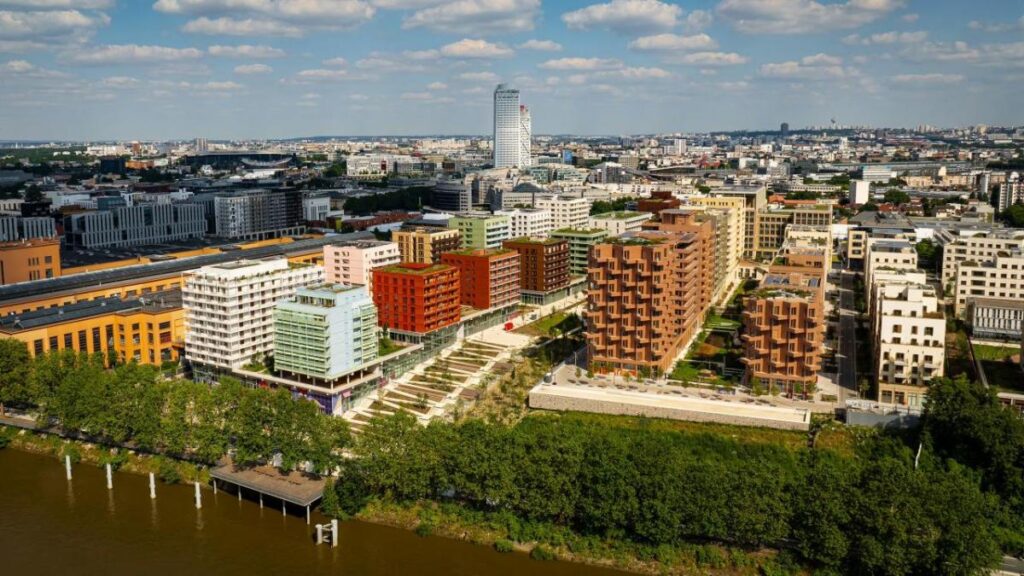
The sustainable transportation systems developed for Olympic Villages often become valuable community assets that support ongoing sustainable mobility. These systems can include cycling infrastructure, public transit connections, and pedestrian-friendly design that reduce reliance on private vehicles.
The integration of electric vehicle infrastructure in Olympic Village development supports the transition to sustainable transportation whilst providing convenient charging options for residents and visitors. These infrastructure investments can accelerate the adoption of electric vehicles in host communities.
The demonstration effect of sustainable transportation in Olympic Villages can influence broader transportation planning and investment. Successful implementations of cycling infrastructure, public transit, and pedestrian facilities often become models for similar investments in other areas.
Biodiversity Conservation and Urban Ecology 🌳
The integration of biodiversity conservation and urban ecology considerations in Olympic Village development has become increasingly important, with developments incorporating native landscaping, wildlife habitat creation, and ecological restoration. These approaches demonstrate how urban development can contribute to rather than detract from biodiversity conservation.
The urban forestry and green space development in Olympic Villages often create valuable ecological assets that support urban biodiversity whilst providing community amenities. These green spaces can serve as urban wildlife habitat whilst offering recreational opportunities for residents.
The ecological restoration opportunities associated with Olympic Village development can transform degraded urban areas into thriving ecosystems. These restoration projects can serve as models for ecological restoration in other urban contexts whilst providing educational and recreational opportunities.
Climate Resilience and Adaptation Strategies 🌡️
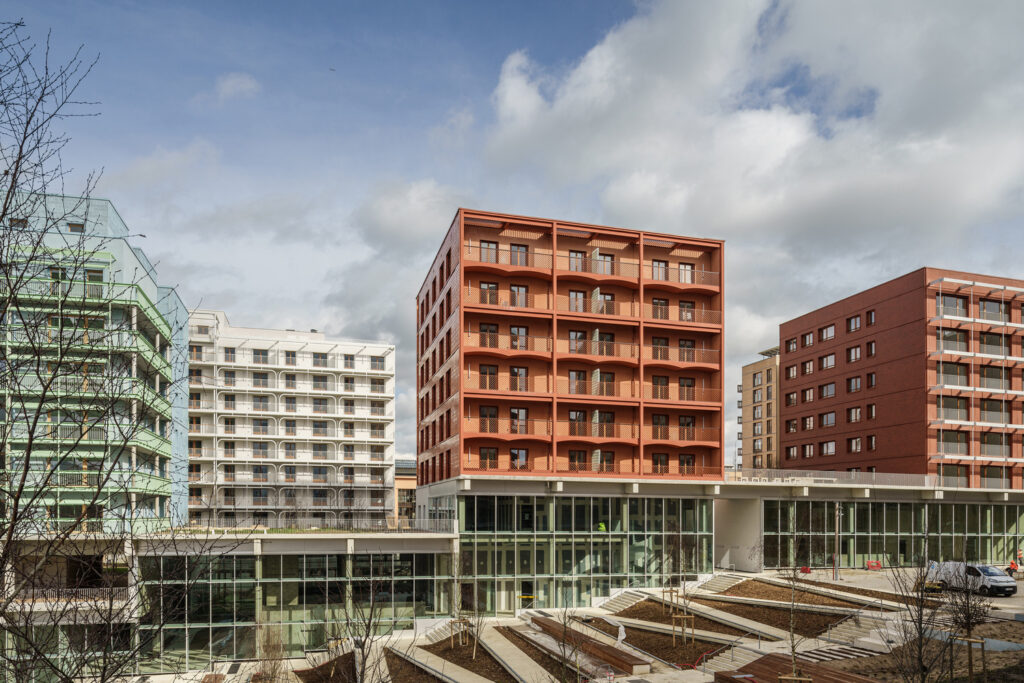
The integration of climate resilience and adaptation strategies in Olympic Village development has become increasingly important as climate change impacts become more severe. These strategies can include flood protection, heat island mitigation, and resilient design that can adapt to changing environmental conditions.
The climate resilience measures implemented in Olympic Village development often exceed standard building requirements, incorporating advanced ventilation systems, resilient materials, and adaptive design features. These measures create comfortable living environments whilst ensuring long-term resilience to climate impacts.
The demonstration effect of climate resilience in Olympic Villages can influence broader planning and design practice. Successful implementations of resilient design and adaptation strategies often become models for similar approaches in other developments.
Environmental Monitoring and Performance Evaluation 📊
The environmental monitoring and performance evaluation systems implemented in Olympic Village development provide valuable data on the effectiveness of sustainability measures and opportunities for improvement. These systems can track energy consumption, water use, waste generation, and other environmental indicators over time.
The post-occupancy evaluation of Olympic Village environmental performance provides insights into the effectiveness of sustainability measures and opportunities for improvement. These evaluations can inform future Olympic Village development and broader sustainable development practice.
The environmental performance data from Olympic Villages can contribute to the broader knowledge base on sustainable urban development. This data can inform policy development, building standards, and design practice whilst advancing understanding of effective sustainability strategies.
Innovation in Sustainable Materials and Construction 🔧
The use of innovative sustainable materials and construction techniques in Olympic Village development has advanced significantly, with developments incorporating recycled materials, low-impact manufacturing processes, and innovative construction techniques. These approaches demonstrate how construction can minimise environmental impact whilst creating high-quality developments.
The sustainable materials used in Olympic Village development often include recycled content, rapidly renewable materials, and locally sourced materials that reduce transportation impacts. These material choices can serve as models for sustainable construction practice in other developments.
The construction techniques employed in Olympic Village development often prioritise efficiency, waste reduction, and environmental performance. These techniques can include prefabrication, modular construction, and advanced building systems that reduce construction impact whilst improving building performance.
Economic Benefits of Environmental Sustainability 💰
The economic benefits of environmental sustainability in Olympic Village development include reduced operating costs, enhanced property values, and improved marketability. These benefits demonstrate how environmental performance can create economic value whilst achieving environmental goals.
The reduced operating costs associated with environmental sustainability in Olympic Villages include lower energy and water bills, reduced waste disposal costs, and lower maintenance requirements. These cost savings can support long-term economic sustainability whilst reducing environmental impact.
The enhanced property values associated with environmental sustainability in Olympic Villages can create long-term economic benefits for property owners whilst supporting community wealth building. These value enhancements can help justify the initial investment in sustainability measures.
Global Leadership and Knowledge Sharing 🌍
The environmental sustainability achievements of Olympic Villages can position host cities as global leaders in sustainable urban development whilst contributing to international knowledge sharing and best practice development. These achievements can enhance the reputation of host cities whilst advancing global sustainability goals.
The knowledge and experience gained through Olympic Village sustainability initiatives can be shared with other cities and development projects, contributing to the advancement of sustainable urban development worldwide. This knowledge sharing can accelerate the adoption of effective sustainability strategies.
The international attention focused on Olympic Village sustainability can raise awareness of environmental issues and solutions, contributing to broader environmental education and advocacy. This awareness can support policy development and behaviour change that extends far beyond the Olympic context.
Conclusion
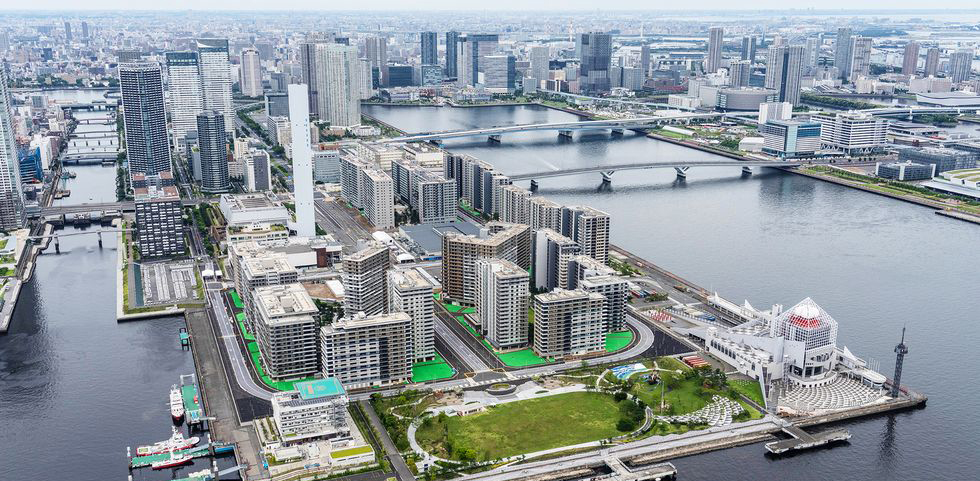
The environmental sustainability and green innovation achievements of Olympic Village development demonstrate the potential for major sporting events to advance sustainable urban development. When developed with environmental performance as a priority, Olympic Villages can become powerful catalysts for green innovation and sustainable development that benefit host communities and the global environment for generations to come.
- How can Olympic Village development better integrate cutting-edge environmental technologies whilst ensuring long-term reliability and maintainability?
- What strategies can ensure that the environmental innovations pioneered in Olympic Villages are adopted in broader urban development practice?
- How might Olympic Village development contribute to addressing climate change whilst creating comfortable and affordable living environments?
- What role should biodiversity conservation and urban ecology play in Olympic Village planning and design?
- How can the environmental performance of Olympic Villages be measured and evaluated to inform future sustainability initiatives?
To read other publications, gohere.


Lascia un commento